
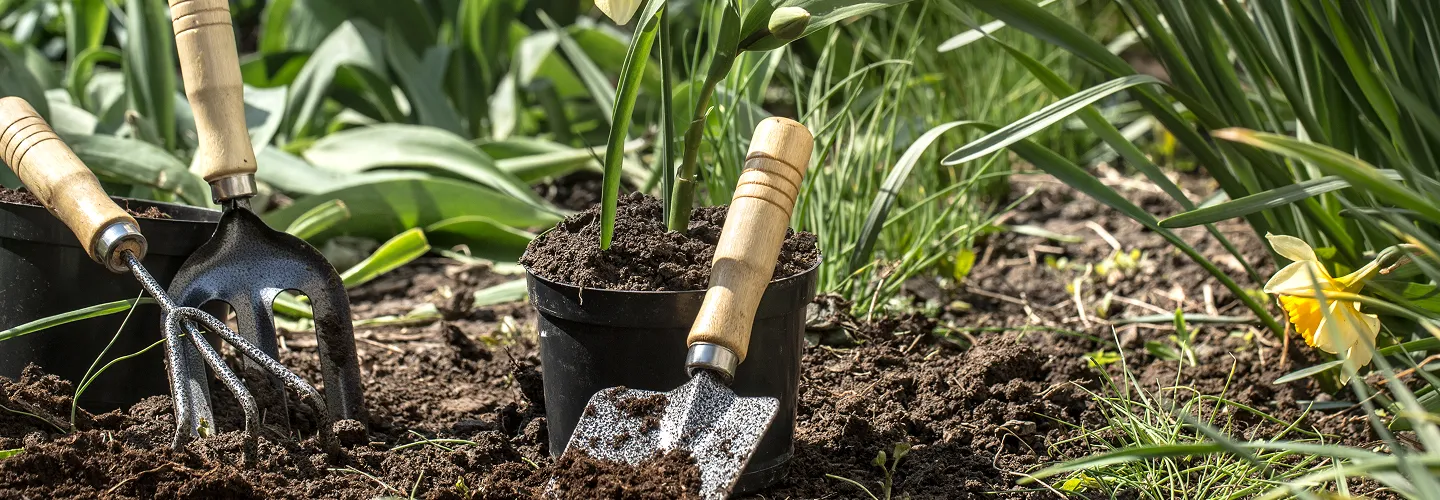
Layton Lakes Plant Removal Services
Choose our Plant Removal service for expert care, fast turnaround, and eco-friendly disposal—ensuring your yard stays beautiful, safe, and ready for your next project.
Get a Free QuoteOur Layton Lakes Landscaping & Yard Care Services
When to Schedule Plant Removal in Layton Lakes, Arizona – Seasonal Guide
In Layton Lakes, Arizona, timing your plant removal is crucial for both the health of your landscape and compliance with local guidelines. The region’s unique climate—marked by hot, dry summers and mild winters—means that late winter through early spring is often the optimal window for plant removal. This period, just after the last frost and before the intense summer heat, allows for easier root extraction and minimizes stress on surrounding vegetation. Neighborhoods near Chandler Heights Road and the scenic Layton Lakes Park often experience microclimates, with shaded areas and varying soil types that can influence the best timing for removal.
Local environmental factors such as drought risk, humidity fluctuations, and the prevalence of clay-heavy soils play a significant role in scheduling. For example, areas closer to the lakes or shaded by mature trees may retain moisture longer, affecting both plant growth and removal logistics. It’s also important to consider municipal guidelines and seasonal restrictions, which can be found on the Town of Sudbury’s official website, to ensure your project aligns with local regulations.
Local Factors to Consider for Plant Removal in Layton Lakes
- Tree and shrub density in your yard
- Terrain slope and accessibility
- Seasonal precipitation patterns
- Proximity to water features or shaded zones
- Soil composition (e.g., clay vs. sandy soils)
- Municipal restrictions and permit requirements
- Recent weather events (frost, storms, drought)
By considering these local factors, homeowners in Layton Lakes can schedule plant removal projects for maximum efficiency and minimal disruption to their landscape.
Benefits of Plant Removal in Layton Lakes

Expert Landscaping Team
Efficient Plant Removal
Eco-Friendly Disposal
Improved Curb Appeal
Customized Landscaping Solutions
Safe and Reliable Service
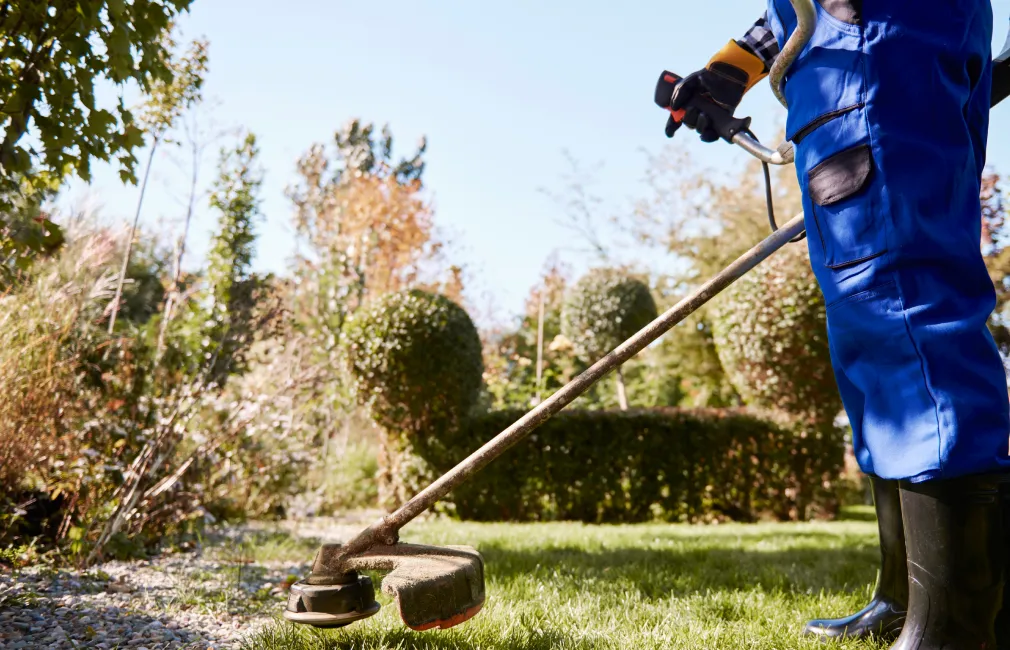
Layton Lakes Plant Removal Types

Tree Removal
-
Shrub Removal
-
Stump Grinding
-
Weed Extraction
-
Root Removal
-
Invasive Species Removal
-
Overgrowth Clearing
Our Plant Removal Process
Site Evaluation
Preparation and Safety Measures
Plant Extraction
Debris Removal
Site Restoration
Why Choose Layton Lakes Landscape Services

-
Layton Lakes Homeowners Trust Us
-
Expert Lawn Maintenance
-
Reliable Irrigation Solutions
-
Comprehensive Weed Control
-
Competitive Pricing
-
Professional Team
-
Satisfaction Guarantee
Coordinating Plant Removal with Gilbert Public Works in Layton Lakes
Layton Lakes is a master-planned community within the Town of Gilbert, and plant removal projects must align with Gilbert's municipal processes for green waste disposal, right-of-way protection, and stormwater management. When removing plants from residential or commercial parcels, property owners should verify current bulk green waste collection procedures through the Town of Gilbert's Public Works Department, which oversees solid waste operations and curbside pickup schedules. Plant material generated during removal—including root masses, stems, and foliage—must be handled according to the town's accepted bundling or containerization standards. Residents should confirm whether their removal project involves vegetation within a public right-of-way or drainage easement, as these areas may require coordination with engineering services before work begins.
- Confirm green waste pickup rules and container size limits with Public Works before staging debris curbside
- Verify whether the removal site falls within a drainage easement or public right-of-way requiring town review
- Coordinate with the Layton Lakes Community Association regarding any landscape modification approvals required under community guidelines
Gilbert Public Works Department
Official Website: Gilbert AZ Public Works
Gilbert Environmental Compliance Division
Official Website: Gilbert AZ Environmental Compliance
How Layton Lakes's Low-Desert Heat and Soils Affect Plant Removal
Layton Lakes sits within the Phoenix metro low-desert environment, classified under USDA Hardiness Zone 9b–10a, where extreme summer temperatures, alkaline soils, and subsurface caliche layers directly influence plant removal operations. Root systems in this region often develop laterally rather than deeply due to caliche hardpan, which can complicate extraction and require mechanical assistance even for moderately sized shrubs. Soils across much of southeastern Gilbert tend toward alkaline sandy loam with compacted subdivision fill common in newer developments like Layton Lakes. Monsoon season, typically July through September, introduces intense but brief rainfall that can destabilize exposed soil left after plant removal, increasing erosion and sediment transport toward retention basins and storm-drain inlets.
- Caliche layers may sit within 12–24 inches of the surface, requiring specialized tools for root extraction
- Alkaline soil pH (commonly 7.5–8.5) can affect replanting decisions after removal and may require amendment
- Monsoon runoff can carry loose soil and plant debris into neighborhood drainage channels if removal sites are not stabilized promptly
- Reflected heat from block walls and concrete hardscape accelerates desiccation of exposed root zones, making timing critical
Navigating Layton Lakes's Regulatory Requirements for Plant Removal Projects
Plant removal in Layton Lakes must comply with both Town of Gilbert municipal codes and applicable Arizona state regulations. If chemical herbicides are used to treat stumps or suppress regrowth after removal, applicators must hold valid certification through the Arizona Department of Agriculture's licensing program. Property owners should also be aware that certain invasive or noxious species identified by the Arizona Department of Agriculture may carry specific handling and disposal obligations. Gilbert's stormwater program, operating under Arizona DEQ Phase II MS4 requirements, mandates that sediment, organic debris, and chemical runoff from landscape operations not enter the municipal storm sewer system.
- Verify whether removed vegetation includes species listed on Arizona's noxious weed inventory, which may require specific disposal methods
- Ensure any herbicide application following plant removal is performed by a licensed applicator under Arizona Revised Statutes Title 3
- Prevent soil, root material, and chemical residue from reaching curb inlets, retention basins, or wash corridors in compliance with the Clean Water Act
- Confirm with Gilbert's Engineering Services whether removal near drainage infrastructure requires erosion-control measures
Gilbert Engineering Services
Official Website: Gilbert AZ Engineering Services
Timing and Methods for Plant Removal in Layton Lakes's Desert Climate
Professional plant removal in the low desert follows seasonal timing that accounts for heat stress on workers, soil stability, and replanting windows. Late fall through early spring—roughly November through March—offers the most favorable conditions for removal work, as cooler temperatures reduce heat-related safety risks and allow exposed soil to be stabilized before monsoon rains arrive. Removing plants during the peak summer months requires immediate site protection, since bare soil in 110°F-plus conditions can become hydrophobic and resist water infiltration when monsoon storms begin.
- Root-zone excavation should extend beyond the visible canopy drip line, as desert-adapted plants often develop extensive lateral root networks
- Site stabilization after removal should include gravel cover, erosion blankets, or immediate replanting to prevent sediment migration
- Stump treatment, when necessary, should use targeted application methods to minimize chemical contact with surrounding soil and irrigation lines
- Debris staging should occur on hardscape or tarps rather than bare soil to prevent organic leachate from entering drainage pathways
- Large-scale removal on slopes or near retention basins may require temporary silt fencing or berms to control runoff during the work period
What Neighborhoods Do We Serve Throughout Layton Lakes, AZ?
- Layton Lakes Estates — Larger lot sizes with mature desert-adapted landscaping often require careful root extraction around established irrigation systems and block-wall foundations
- Layton Lakes Gilbert — Standard residential parcels with drip-irrigated front yards where plant removal must account for emitter lines and decorative rock displacement
- Layton Lakes Passage — Homes adjacent to community walking paths and common areas where removal work should coordinate with HOA landscape standards and pedestrian access
- Layton Lakes Reserve — Properties near retention basins and drainage corridors where post-removal stabilization is critical to prevent sediment transport during monsoon events
- Layton Lakes Villas — Compact lots with limited staging space, requiring efficient debris management and careful equipment access through narrow driveways