
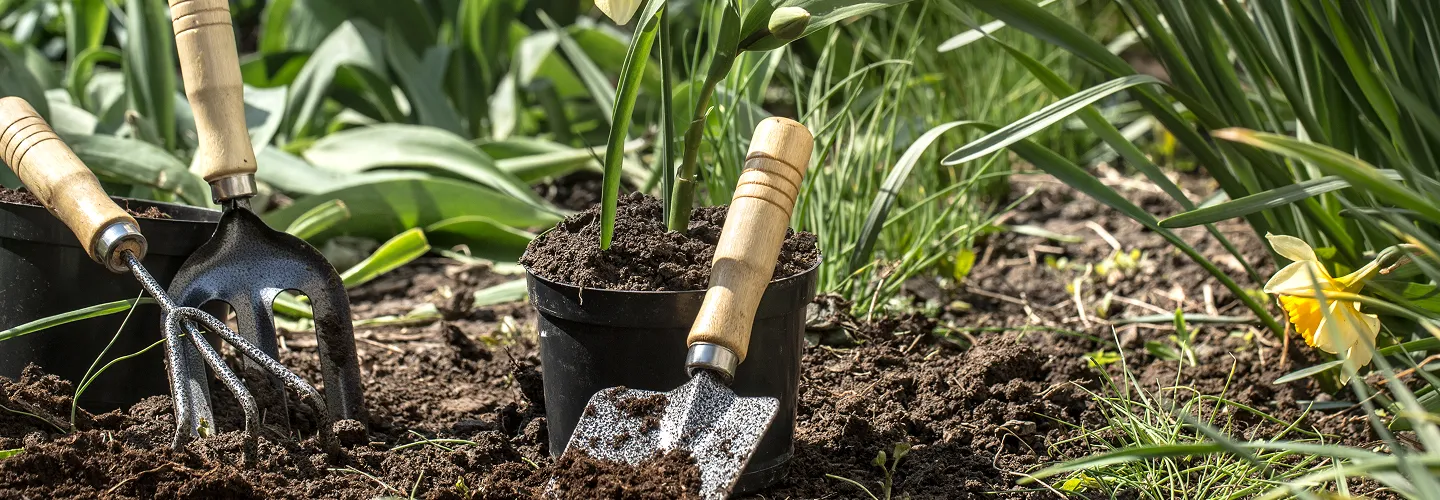
Layton Lakes Lawn Edging Services
Choose our Lawn Edging for a polished, professional look that keeps your landscape tidy and your property value high—our expert team ensures durable, beautiful results every time.
Get a Free QuoteOur Layton Lakes Landscaping & Yard Care Services
When to Schedule Lawn Edging in Layton Lakes, Arizona – Seasonal Guide
In Layton Lakes, Arizona, the best times to schedule lawn edging are typically in early spring and late fall. These periods align with the region’s mild temperatures and reduced risk of extreme weather, making it easier to achieve crisp, clean edges that last. The local climate, characterized by hot, dry summers and mild winters, means that edging during the cooler months helps prevent stress on your turf and ensures optimal regrowth. Neighborhoods near Chandler Heights Road and the scenic Layton Lakes Park often experience microclimates influenced by shade from mature trees and proximity to water features, which can affect soil moisture and edging frequency.
Local environmental factors such as the area’s clay-heavy soil, variable humidity, and the potential for late spring frosts should be considered when planning your lawn care schedule. Homeowners in Layton Lakes should also be aware of municipal guidelines and seasonal water restrictions, which can impact when and how often edging services are performed. For more information on local regulations, visit the official town website.
Local Factors to Consider for Lawn Edging in Layton Lakes
- Tree density and shade coverage, especially near Layton Lakes Park
- Soil type (predominantly clay, affecting moisture retention)
- Seasonal precipitation and drought risk
- Frost dates, particularly in late winter and early spring
- Terrain variations, including sloped yards and drainage patterns
- Municipal restrictions on water usage and landscaping activities
Benefits of Lawn Edging in Layton Lakes

Enhanced Curb Appeal
Weed Growth Prevention
Defined Landscape Borders
Low Maintenance Solutions
Increased Property Value
Professional Installation Expertise
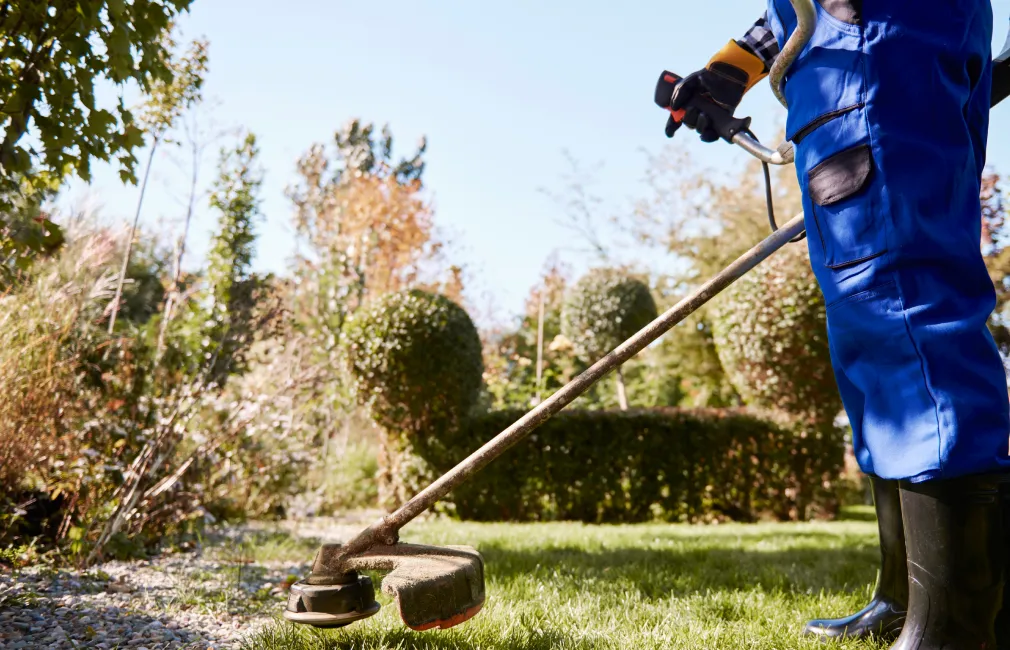
Layton Lakes Lawn Edging Types

Metal Lawn Edging
Metal edging offers a sleek, modern look and provides long-lasting durability for landscaping borders.
-
Plastic Lawn Edging
Plastic edging is a cost-effective and flexible solution for defining garden beds and pathways.
-
Brick Lawn Edging
Brick edging creates a classic, timeless border that enhances the visual appeal of any landscape.
-
Stone Lawn Edging
Stone edging delivers a natural, rustic appearance and blends seamlessly with outdoor environments.
-
Concrete Lawn Edging
Concrete edging provides a sturdy, customizable border ideal for both residential and commercial landscapes.
-
Wood Lawn Edging
Wood edging adds warmth and a natural touch, perfect for garden beds and walkways.
-
Rubber Lawn Edging
Rubber edging is eco-friendly, flexible, and safe, making it suitable for family-friendly landscapes.
Our Lawn Edging Process
Site Evaluation
Marking Edges
Cutting the Edge
Debris Removal
Final Inspection
Why Choose Layton Lakes Landscape Services
-
Layton Lakes Homeowners Trust Us
-
Expert Lawn Maintenance
-
Reliable Irrigation Solutions
-
Comprehensive Weed Control
-
Competitive Pricing
-
Professional Team
-
Satisfaction Guarantee
Coordinating Lawn Edging Services with Layton Lakes and Gilbert Municipal Programs
Layton Lakes is a master-planned community located within the Town of Gilbert, and residents should coordinate lawn edging activities with both the Layton Lakes Community Association and the Town of Gilbert's municipal departments. Edging along sidewalks, curb lines, and shared hardscape borders generates small volumes of soil and turf debris that must be kept out of street gutters and storm-drain inlets. Gilbert's Public Works department oversees right-of-way maintenance standards and curbside debris expectations that apply directly to edging operations performed near public infrastructure. Property managers and homeowners should verify current community association landscape standards before altering edge profiles along front-yard walkways or common-area boundaries.
- Sweep or vacuum all soil and grass clippings displaced by edging away from curb inlets and gutter flow lines
- Confirm with the community association whether specific edge styles or depths are required along shared borders
- Coordinate edging schedules to avoid conflicts with municipal street sweeping or irrigation system run times
Gilbert Public Works Department
90 E. Civic Center Dr., Gilbert, AZ 85296
Official Website: Gilbert Public Works Department
Layton Lakes Community Association
Official Website: Layton Lakes Community Association
How Layton Lakes's Low-Desert Heat and Alkaline Soils Affect Lawn Edging
Layton Lakes sits in the Phoenix metro low-desert region, classified within USDA Hardiness Zone 9b–10a, where summer surface temperatures on concrete and block walls regularly exceed 150 °F. This reflected and radiated heat accelerates turf desiccation along hardscape edges, causing bermudagrass runners to either aggressively creep onto walkways or retreat and die back unevenly. The predominant soils in southeastern Gilbert tend toward alkaline sandy loam with subsurface caliche layers, which resist root penetration and concentrate irrigation salts near the surface. These conditions create several edging-specific challenges:
- Hardscape creep: Bermudagrass stolons grow rapidly toward warm concrete and pavers during active summer months, requiring more frequent mechanical edging than cooler climates demand
- Salt crust at borders: Alkaline irrigation water evaporates quickly along exposed edges, depositing white salt residue that weakens turf crowns and stains hardscape
- Caliche resistance: Blade or string-trimmer edging near shallow caliche can deflect cutting tools and produce uneven edge profiles
- Monsoon debris displacement: Intense July-through-September storms wash loosened soil from freshly edged borders into retention basins and street drains if debris is not promptly collected
The University of Arizona Cooperative Extension provides region-specific guidance on bermudagrass management that directly informs edging frequency and turf-border health in low-elevation communities like Layton Lakes.
Navigating Layton Lakes's Stormwater and Environmental Compliance for Lawn Edging
Although lawn edging is a routine maintenance activity that does not typically require a permit, it intersects with Gilbert's environmental compliance obligations under Arizona's Phase II Municipal Separate Storm Sewer System (MS4) program. Soil, grass clippings, and organic debris displaced during edging are classified as potential pollutants when they enter the municipal storm-drain system. Gilbert's Environmental Compliance division provides stormwater pollution-prevention guidance that applies to both residential and commercial landscape maintenance activities.
- All displaced material from edging must be collected and disposed of on-site or through approved green-waste channels—never swept into street gutters or storm-drain openings
- Edging adjacent to retention basins, drainage swales, or flood-control easements requires particular care to avoid destabilizing vegetated banks
- Operators using powered edging equipment on commercial properties should be aware of Gilbert's noise-related code provisions and verify allowable operating hours with the town
Gilbert Environmental Compliance Division
90 E. Civic Center Dr., Gilbert, AZ 85296
Official Website: Gilbert Environmental Compliance Division
The Arizona DEQ Stormwater program and the federal Clean Water Act establish the regulatory framework that Gilbert enforces at the local level. Residents and service providers should treat every curb inlet and retention-basin edge as a protected discharge point.
Timing and Methods for Professional Lawn Edging in Layton Lakes's Climate
Effective lawn edging in Layton Lakes follows the growth cycle of warm-season bermudagrass, which dominates residential turf throughout the community. During the active growing season from April through October, edging is typically performed every one to two weeks to keep stolons from encroaching onto sidewalks, driveways, and decorative rock borders. The Turfgrass Maintenance Guide for Low Elevation Arizona recommends maintaining clean turf boundaries to reduce irrigation overspray waste and prevent organic buildup along hardscape.
- Spring (March–May): Establish clean edge lines as bermudagrass breaks dormancy; this is the optimal window to reset border depth before aggressive summer growth
- Summer (June–September): Increase edging frequency to match rapid stolon extension; schedule work in early morning hours to reduce heat exposure for workers and minimize turf stress
- Fall–Winter (October–February): Reduce frequency as bermudagrass enters dormancy; if overseeded with perennial ryegrass, maintain edges to prevent rye from spreading into hardscape joints
- Use mechanical blade edgers rather than string trimmers along concrete curbs and mow strips to achieve a clean vertical cut without fraying turf crowns
- Adjust edging depth to avoid severing irrigation lines that commonly run within a few inches of hardscape borders in Layton Lakes subdivisions
What Neighborhoods Do We Serve Throughout Layton Lakes, AZ?
- Layton Lakes Estates: Larger lot sizes with extended turf frontages along wide sidewalks require consistent edge maintenance to preserve curb appeal and prevent stolon encroachment into decorative rock borders
- Layton Lakes Gilbert: Standard subdivision lots with bermudagrass front yards bordered by concrete walkways and driveways, where reflected heat accelerates edge deterioration and demands frequent attention
- Layton Lakes Parke: Homes adjacent to community park areas and common-space turf, where edging must align with association-maintained landscape borders and shared irrigation zones
- Layton Lakes Reserve: Properties near retention basins and drainage corridors where edging debris management is critical to stormwater compliance and basin-bank stability
- Layton Lakes Traditions: Established sections with mature landscaping, where tree-root encroachment near hardscape edges can complicate edging depth and tool selection